
 How-to
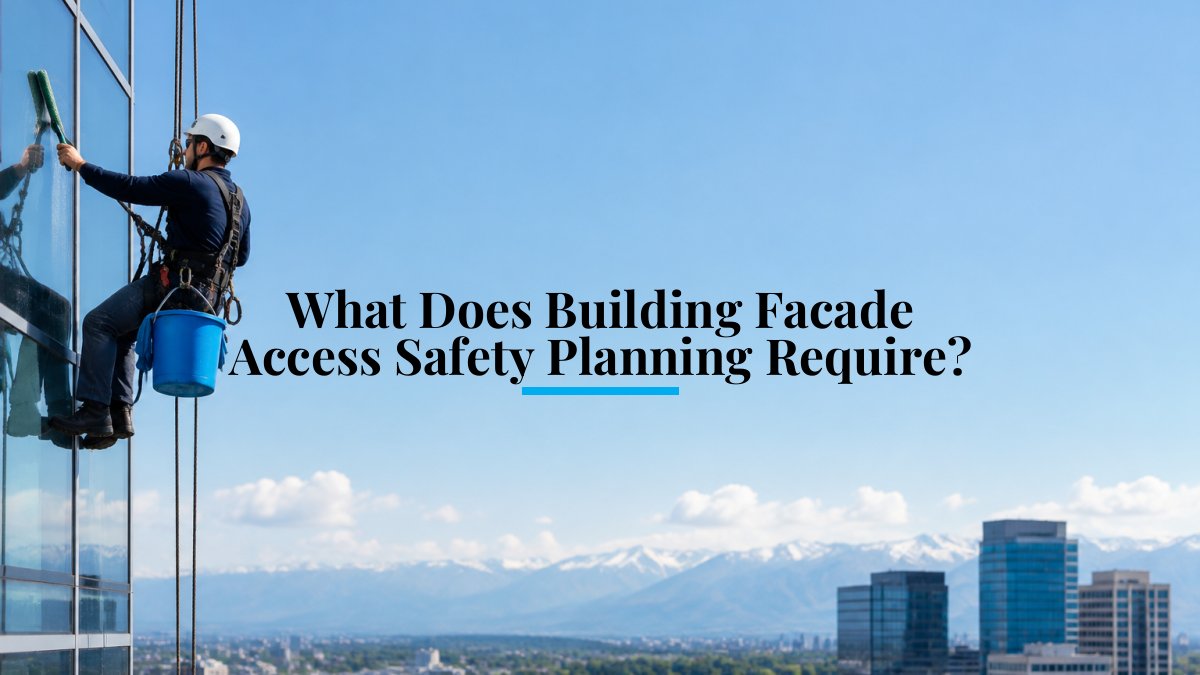
What Does Building Facade Access Safety Planning Require?
Last Updated: November 12, 2026
Quick Summary
Building facade access safety planning requires four phases: assessment, design, documentation, and review. You walk the envelope to note reach points and hazards, choose access systems that fit the roof, glass, and height, build a site-specific safety plan, and revisit it whenever the building or equipment changes.
- Inspect access equipment before every use, not just once a year.
- Log every inspection with the date and the inspector's name.
- Maintenance logs record the date, building area, work performed, and technician name.
- Clarity offers certified technicians and high-rise window cleaning up to 40 stories.
- Clarity provides free estimates for all window cleaning needs.
Table of Contents
- Building Facade Access Safety Planning: The Phases That Matter
- Your Facade Access Equipment Inspection Checklist
- Window Cleaning Maintenance Logs for Property Managers
- Frequently Asked Questions
Building Facade Access Safety Planning: The Phases That Matter
Building facade access safety planning means deciding, before anyone goes up on a rope or lift, how workers will safely reach the exterior glass and how that work gets documented. Clarity Window Cleaning breaks the job into four phases, because most access problems start long before a crew arrives.
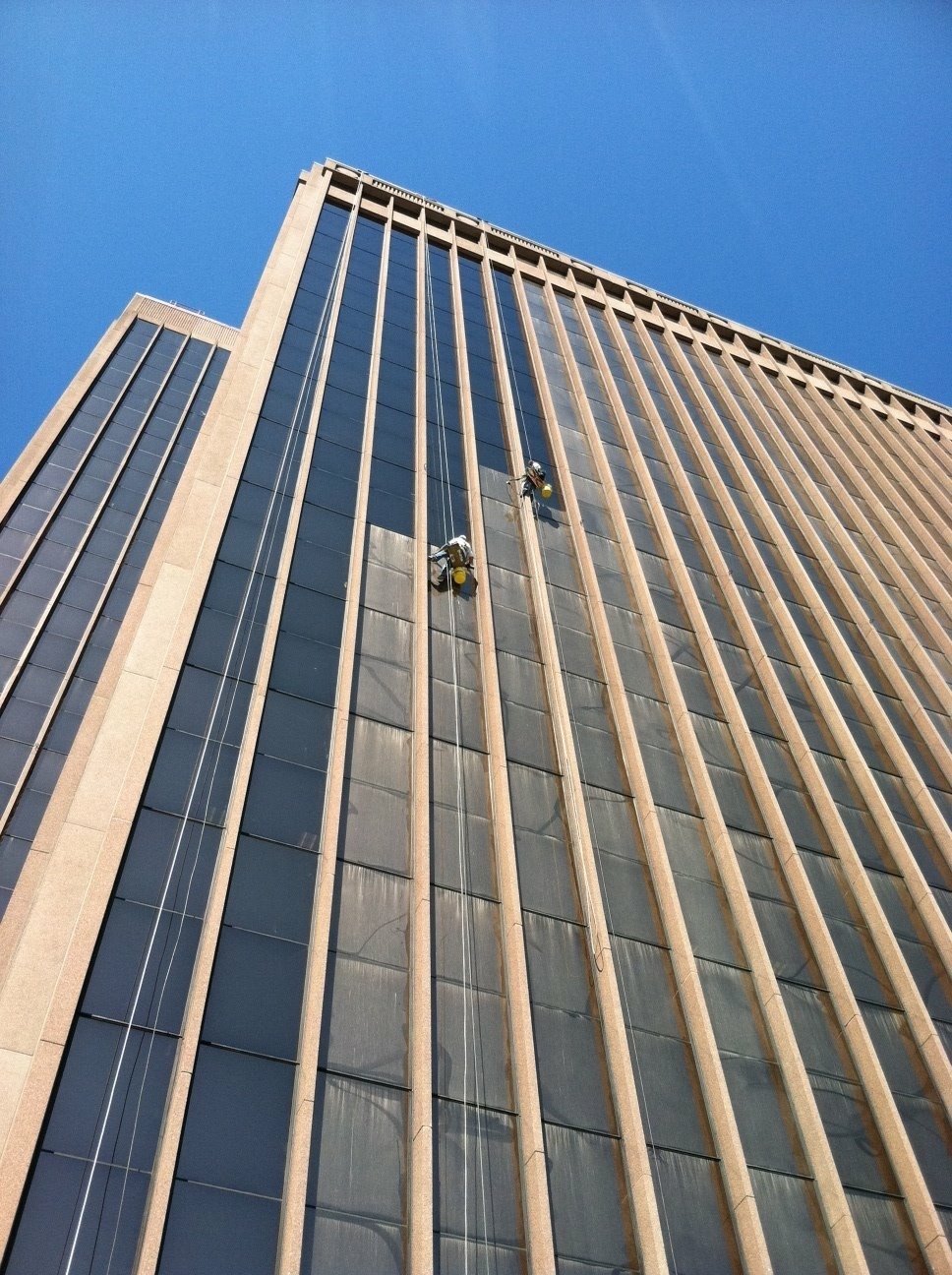
- Assessment: walk the envelope and note every reach point and hazard
- Design: choose access systems that fit the roof, glass, and height
- Documentation: build a site-specific safety plan for exterior building maintenance
- Review: revisit the plan whenever the building or equipment changes
Planning access early helps avoid retrofits and rushed workarounds. For more, see high-rise window cleaning safety planning and fall protection systems for window washers.
Here are the four phases Clarity Window Cleaning uses to structure facade access safety planning.
| Phase | What it covers |
|---|---|
| Assessment | Walk the envelope and note every reach point and hazard |
| Design | Choose access systems that fit the roof, glass, and height |
| Documentation | Build a site-specific safety plan for exterior building maintenance |
| Review | Revisit the plan whenever the building or equipment changes |
Your Facade Access Equipment Inspection Checklist
Inspect access equipment before every use, not just once a year, a short pre-use check can catch small failures before they become big ones.
- Ropes free of cuts, fraying, or glazing
- Harnesses and lanyards show no wear or damage
- Anchors secure and rated for the load
- Roof hatches and ladders clear and sound
- Guardrails and tie-off points in place
- Labels and certification tags legible
Log every inspection with the date and inspector's name; records matter as much as the check. See essential documentation for high-rise facade maintenance.
Watch Out: A missing log entry can turn a routine inspection into a compliance headache during an audit.
Window Cleaning Maintenance Logs for Property Managers
Maintenance logs give property managers a paper trail for boards, insurers, and owners, answering what was done, when, and by whom.
- Date and building area serviced
- Work performed and any issues found
- Technician name and equipment used
- Photos or notes on problem spots
Consistent reporting makes window cleaning maintenance logs a useful record for property managers. Clarity Window Cleaning provides detailed post-service reporting, and commercial window cleaning reporting guidance covers the practices in more depth.
When planning is done and logs are ready, managers can request a free estimate for commercial window cleaning and high-rise work.
Access planning works best when the crew on the rope has the right systems, records, and a plan built for that specific building. Clarity Window Cleaning works directly with facilities and property managers, offering certified technicians, high-rise window cleaning up to 40 stories, and site-specific safety plans with full documentation. Clarity provides free estimates for all window cleaning needs, so managers know what to expect before work begins.
Frequently Asked Questions
What should a building facade access safety plan include?
A solid plan covers the building's access routes, roof hatches, ladders, and anchorage points, plus the equipment and crew assigned to each task. It should name fall protection measures, hazard identification steps, rescue procedures, and who is responsible for signing off. For exterior building maintenance, the plan also needs to account for weather limits, public protection below, and coordination with tenants so work does not disrupt operations.
How often should facade access equipment be inspected?
Inspect equipment before every use, with a documented deeper inspection on a regular schedule set by the manufacturer and your safety plan. A facade access equipment inspection checklist should cover ropes, harnesses, anchors, suspended platforms, and roof access hardware. Keep every inspection record on file so you can show compliance and catch wear before it becomes a fall hazard.
Why do window cleaning maintenance logs matter for property managers?
Window cleaning maintenance logs for property managers document when work happened, who did it, what equipment was used, and any issues found. That record supports insurance reviews, board reporting, and long-term compliance.