 listicle
Best Commercial Window Cleaning for High-Rise Buildings
Table of Contents
- What to Look for in Commercial Window Cleaning Companies for High-Rise Buildings
- OSHA Window Cleaning Safety Standards Every Facilities Manager Should Know
- Commercial Window Cleaning Maintenance Schedules That Work
- Hiring Commercial Window Cleaning Contractors: A Vetting Checklist
- Specialized Services: Post-Construction Restoration and Hard Water Stain Removal
- Why Professional High-Rise Window Cleaning Matters for Your Facility
- Conclusion
Last Updated: August 18, 2026
What to Look for in Commercial Window Cleaning Companies for High-Rise Buildings
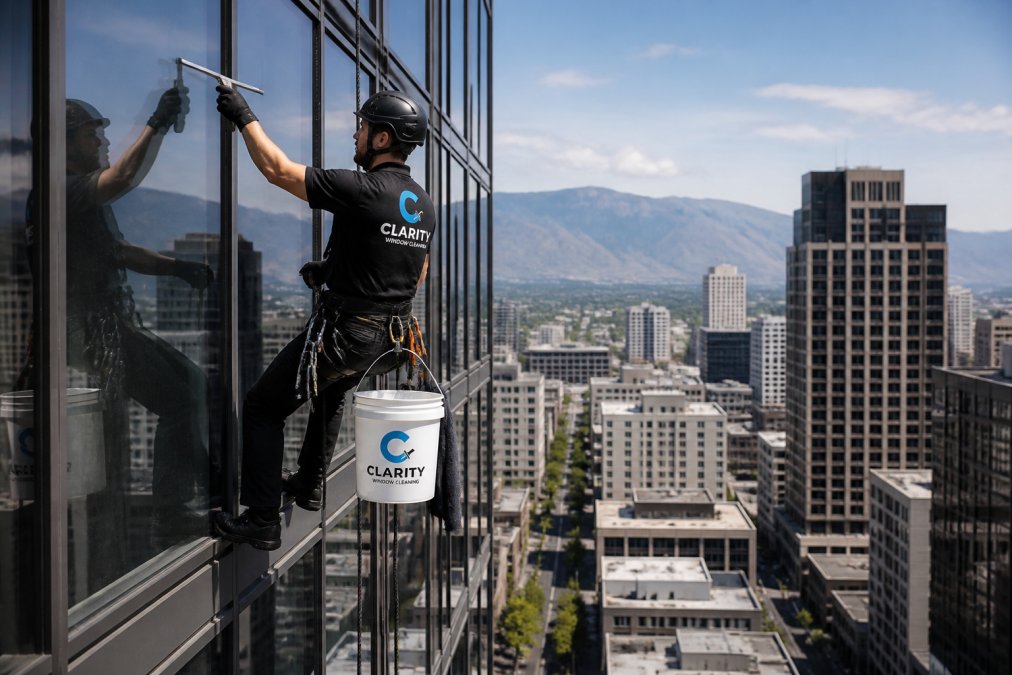
Choosing the right commercial window cleaning partner for high-rise buildings requires more than just finding someone with a squeegee and a bucket. The stakes are higher when you're managing a 20-story office tower or a mixed-use complex where downtime costs money and safety violations carry real consequences. This guide from Clarity Window Cleaning breaks down what facilities managers and property managers should evaluate before signing a contract for commercial window cleaning services.
The right contractor will address three critical dimensions: safety compliance, equipment methodology, and operational fit. Each one directly impacts your facility's liability, your team's peace of mind, and the actual quality of the work.
OSHA Compliance and Safety Certification
Your window cleaning contractor must operate under OSHA safety standards. This isn't optional, it's a legal requirement for any work at height. Ask directly: Does the company maintain current OSHA compliance documentation? Can they provide proof of safety certifications for their technicians?
A legitimate commercial window cleaning provider will have technicians trained in fall protection, which is the foundation of high-rise safety. They should be able to walk you through their site-specific safety plan before work begins. This plan documents how they'll protect workers, manage equipment, and respond to emergencies specific to your building.
Many facilities managers make the mistake of assuming that hiring a contractor automatically transfers liability. It doesn't. Your company remains responsible if an accident occurs due to inadequate safety measures. Verify that the contractor carries current OSHA compliance records and can demonstrate that their team understands the regulations that apply to your specific building type and height.
Insurance and Bonding Requirements
Before any work begins, request proof of liability insurance and workers' compensation coverage. This protects both your facility and the contractor's team. A reputable commercial window cleaning company will carry general liability insurance of at least $1 million, many carry higher limits for high-rise work.
Bonding is equally important. A performance bond guarantees that the contractor will complete the work as specified. A payment bond ensures that suppliers and subcontractors get paid, protecting your facility from liens. Ask your contractor to provide a certificate of insurance naming your building as an additional insured.
Don't skip this step. An uninsured contractor cutting corners on a high-rise job creates catastrophic risk for your organization. If someone is injured and the contractor lacks coverage, your facility's insurance may be forced to pay, or you could face direct liability.
Equipment and Methodology
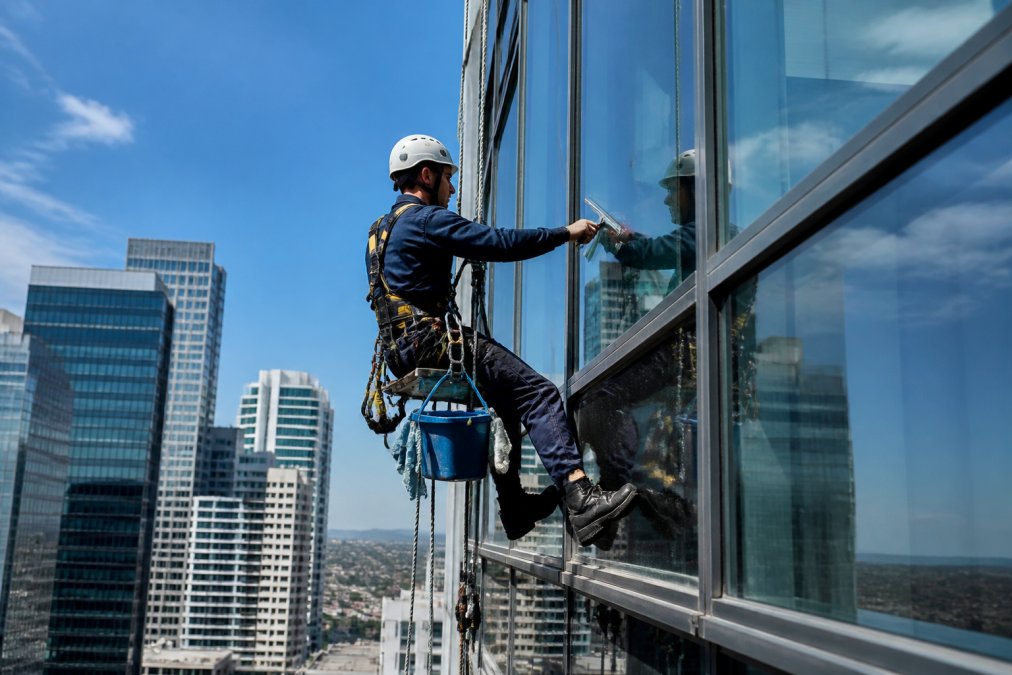
The equipment a contractor uses directly determines both safety and cleaning quality. High-rise window cleaning typically relies on one of three methodologies: rope access systems, suspended scaffolding, or water-fed pole systems for lower-rise buildings.
Rope access is the most common for very high buildings. It requires specialized training and equipment, the technician is secured to the building by a rope system and moves down the facade. Suspended scaffolding works well for mid-rise buildings and allows teams to set up on multiple floors simultaneously. Water-fed pole systems use purified water and long poles, eliminating the need for workers to access windows directly, a safer option when feasible.
Ask your contractor which method they recommend for your building and why. The answer reveals whether they're thinking about your specific needs or just applying a one-size-fits-all approach. A contractor who proposes rope access for a 5-story building is either overselling or lacks flexibility.
Also ask about their water treatment process. Many professional contractors use deionized water, which prevents hard water stain buildup and leaves windows cleaner longer. This is a mark of a thorough operator.
OSHA Window Cleaning Safety Standards Every Facilities Manager Should Know
OSHA regulations for work at height are specific and non-negotiable. As a facilities manager, understanding these standards helps you evaluate contractors and protect your team. The primary regulation is OSHA 1926.500, which covers fall protection for construction and maintenance work.
Fall Protection Requirements
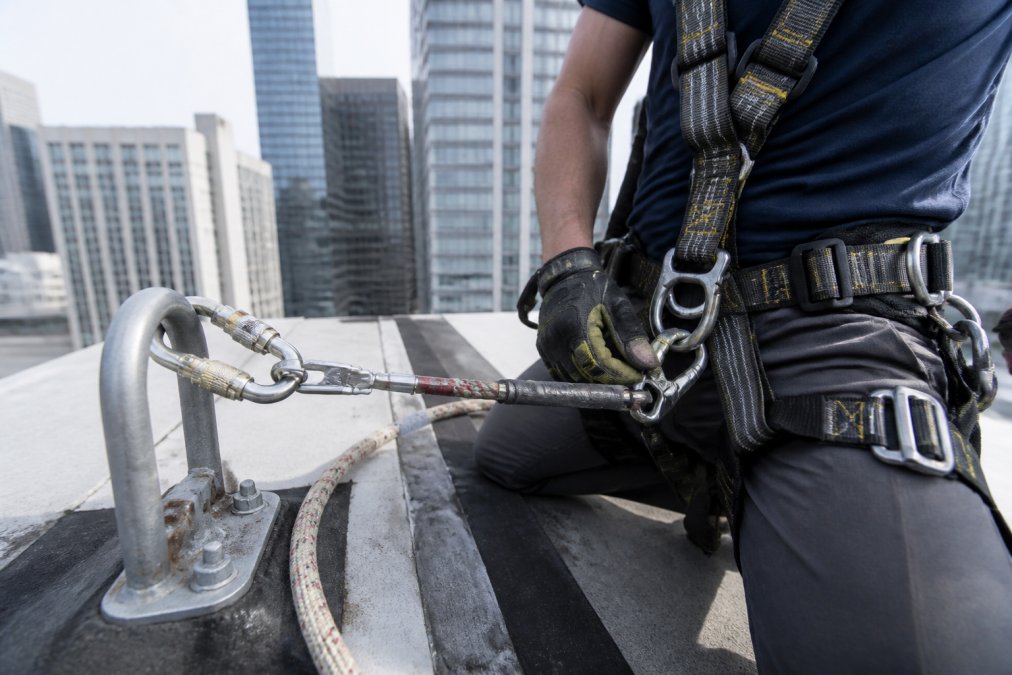
Any work at height above 6 feet requires fall protection under OSHA standards. For window cleaning on high-rise buildings, this means 100% tie-off at all times. The contractor's technicians must be connected to an anchor point by a harness and lanyard system that prevents a fall of more than 6 feet.
The anchor point itself must be capable of supporting 5,000 pounds of force per worker. Many older buildings don't have built-in anchor points, which is why contractors often install temporary anchors before work begins. This installation itself requires engineering and must be done safely.
Contractors should also maintain fall arrest systems in good condition. Harnesses, lanyards, and ropes degrade over time and must be inspected regularly. Ask your contractor about their equipment maintenance schedule, this reveals whether they're serious about safety or just checking boxes.
Site-Specific Safety Plans
Before work starts on your building, the contractor should develop a written site-specific safety plan. This document identifies hazards unique to your facility, electrical lines, weather exposure, building access challenges, tenant operations, and describes how the contractor will mitigate each one.
A proper plan addresses emergency response. What happens if a technician is injured while suspended on a rope 15 stories up? The contractor should have a rescue plan and equipment in place. They should also coordinate with your facilities team to ensure building access, emergency contact procedures, and communication protocols are clear.
Require the contractor to review this plan with your facilities manager before work begins. If they resist or provide a generic template, that's a red flag. Site-specific planning is not optional for high-rise work.
Commercial Window Cleaning Maintenance Schedules That Work
The frequency of window cleaning depends on your building type, location, and environmental factors. A maintenance schedule that works prevents the buildup of dirt and hard water stains while minimizing operational disruption.
Frequency by Building Type
Office towers in urban areas typically benefit from quarterly cleaning, every three months. This keeps windows looking professional for tenants and clients without excessive disruption. Buildings in areas with heavy dust or pollution may need more frequent service.
Retail and commercial centers often use a similar quarterly schedule, though some prefer monthly cleaning during peak seasons. Healthcare facilities and educational institutions frequently require monthly service to maintain appearance standards and support infection control protocols.
Industrial facilities with heavy machinery or outdoor operations may need cleaning every 4-6 weeks if dust and residue accumulate quickly. The key is establishing a baseline schedule and adjusting based on visible results.
Clarity provides free estimates for all window cleaning needs, so you can discuss your specific building's requirements with a professional who understands your facility type and location.
Minimizing Operational Disruption
High-rise window cleaning doesn't require shutting down your building. The best contractors work during off-hours or coordinate with tenant schedules to minimize impact. Early morning starts (before business hours) or evening work after 5 PM keeps cleaning activity away from peak office times.
For buildings with sensitive operations, trading floors, medical facilities, data centers, the contractor should coordinate directly with your facilities team to identify safe windows and timing. Some contractors can work on exterior windows without tenant access, which eliminates most disruption.
Establish clear communication protocols before work begins. Your facilities team should know exactly when the contractor will be on-site, which areas they'll access, and how to reach them if issues arise. A contractor who communicates proactively is one you can trust to handle your building responsibly.
Hiring Commercial Window Cleaning Contractors: A Vetting Checklist
The decision to hire a contractor for high-rise window cleaning is significant. A structured vetting process ensures you select a partner who understands your facility's needs and can deliver results safely.
Questions to Ask Before Signing
Start with direct questions about experience. How many high-rise buildings have they serviced? How long have they been in business? Ask for references from facilities managers at comparable buildings, not just companies they list, but ones you can contact directly.
Request detailed information about their team. Are their technicians employees or subcontractors? What training certifications do they hold? OSHA 30-hour cards, rope access certifications, and first aid training are standard for professional operators. Ask whether they conduct regular safety audits and how they handle near-misses or accidents.
Discuss their equipment and methodology in detail. What systems will they use on your building? Why that choice over alternatives? How often do they inspect and maintain equipment? A contractor who can explain their choices and reasoning is showing expertise.
Ask about their insurance and bonding. Request a certificate of insurance before work starts. Verify that your building is named as an additional insured. Ask about their claims history, have there been accidents? How did they respond?
Finally, ask about reporting and documentation. Will you receive a post-service report? Can they provide photos of work completed? Detailed reporting is a sign of professionalism and gives you documentation for your own records.
Evaluating Quality and Accountability
Quality varies significantly between contractors. Some leave streaks and water spots; others deliver immaculate results. Before signing a long-term contract, request a small test area. Have them clean a few windows on your building and evaluate the results.
Look for even coverage without streaks, spotting, or residue. Ask them to return if the quality doesn't meet your expectations, this tests their accountability. A contractor confident in their work will stand behind it.
Accountability also means responsiveness. If a tenant reports a problem or you need to reschedule, does the contractor respond quickly? Do they take ownership of issues or deflect blame? Early interactions with a contractor reveal how they'll operate over time.
Request a detailed service agreement that specifies frequency, scope of work, quality standards, and pricing terms. The agreement should include a clause allowing you to request re-cleaning if quality is unsatisfactory. A contractor willing to commit to these terms is one you can rely on.
Specialized Services: Post-Construction Restoration and Hard Water Stain Removal
Beyond routine maintenance, many commercial buildings need specialized window cleaning services. Post-construction cleanup and hard water stain removal require different expertise and equipment than standard maintenance.
Post-construction window restoration is critical after new construction or major renovation. Dust, concrete residue, paint overspray, and protective coatings accumulate on glass during construction. Standard window cleaning won't remove these materials. A contractor experienced in post-construction restoration understands how to safely remove adhesive residue, concrete dust, and coating buildup without damaging the glass or frames.
Hard water stains are mineral deposits left by water that contains high levels of calcium or magnesium. In areas with hard water, common in many regions, these stains build up over time and become increasingly difficult to remove. Specialized cleaning solutions and techniques are required. Some contractors use deionized water systems that prevent stains from forming in the first place, which is more effective than trying to remove them later.
Ask your contractor whether they offer these specialized services. If your building is new or undergoing renovation, post-construction restoration should be part of your plan. If you're in a hard water area, ask about preventive approaches like deionized water cleaning.
Why Professional High-Rise Window Cleaning Matters for Your Facility
The appearance of your building's windows reflects directly on your organization. Clean, well-maintained windows create a positive impression for tenants, clients, and visitors. For office buildings, this translates to tenant satisfaction and retention. For retail, it impacts customer perception and sales. For healthcare and education, it supports professional standards and operational excellence.
Beyond appearance, professional window cleaning protects your investment. Dirt, hard water stains, and mineral deposits can etch and damage glass over time if left unaddressed. Regular professional cleaning prevents permanent damage and extends the life of your windows.
Safety is the non-negotiable foundation. High-rise window cleaning carries inherent risk. A contractor who prioritizes safety, with proper training, equipment, insurance, and planning, protects your facility, your tenants, and their own team. This reduces your liability and ensures the work is done right.
Professional contractors also bring operational expertise. They understand how to schedule work with minimal disruption, coordinate with building systems, and respond to unexpected challenges. This expertise, combined with proper safety practices and quality standards, justifies the investment in professional service.
Selecting the right commercial window cleaning partner requires evaluating safety compliance, insurance coverage, equipment methodology, and track record. A contractor who can demonstrate OSHA compliance, provide proof of insurance, explain their approach, and deliver consistent quality is one you can trust with your facility. Clarity Window Cleaning specializes in commercial and high-rise window cleaning with certified technicians, OSHA-compliant practices, and fully insured teams. Clarity provides free estimates for all window cleaning needs, allowing you to discuss your specific building requirements with professionals who understand facilities management. Request a detailed estimate today to see how professional window cleaning can enhance your facility's appearance while maintaining the safety and operational standards your building demands.
Frequently Asked Questions
What safety certifications should commercial window cleaning companies have for high-rise work?
Reputable commercial window cleaning contractors should hold OSHA fall protection certifications, work-at-height qualifications, and rope access training (typically IRATA or equivalent). They must also maintain current liability insurance and provide documentation of site-specific safety plans. Ask for proof of certifications and verify that technicians have completed training within the past two years. Clarity provides free estimates and can walk you through all safety protocols and certifications during the consultation.
How often should high-rise buildings schedule professional window cleaning?
Frequency depends on your building type, location, and environmental factors. Most office towers benefit from quarterly or semi-annual cleaning, while buildings in dusty or industrial areas may need monthly service. Healthcare and education facilities often require more frequent schedules to maintain appearance and hygiene standards. A professional contractor will assess your specific needs and recommend a customized maintenance schedule that fits your operational calendar and budget.
What equipment do high-rise window cleaners use, and why does it matter?
Professional contractors use rope access systems, water-fed poles, suspended scaffolding, or aerial lifts depending on building height and design. Water-fed pole systems use deionized water to prevent streaking, while rope access allows technicians to reach difficult angles safely. The right equipment choice affects both safety and cleaning quality. When hiring, ask contractors to explain their methodology and why they chose specific equipment for your building.
How can I verify that a commercial window cleaning contractor is truly OSHA-compliant?
Request documentation of OSHA 10-hour or 30-hour certifications, fall protection training records, and liability insurance. Ask for a copy of their site-specific safety plan before work begins. Reputable contractors will provide detailed reporting after each service, documenting safety measures taken and any issues encountered. They should also be willing to discuss their safety protocols and answer questions about how they handle emergencies or adverse weather conditions.
This article was written using GrandRanker